Flood Insurance Explained: Why Your Homeowners Policy Won't Save You
Standard homeowners policies exclude flood damage — every single one. Here's how flood insurance actually works, what it costs, and how to decide if you need it.
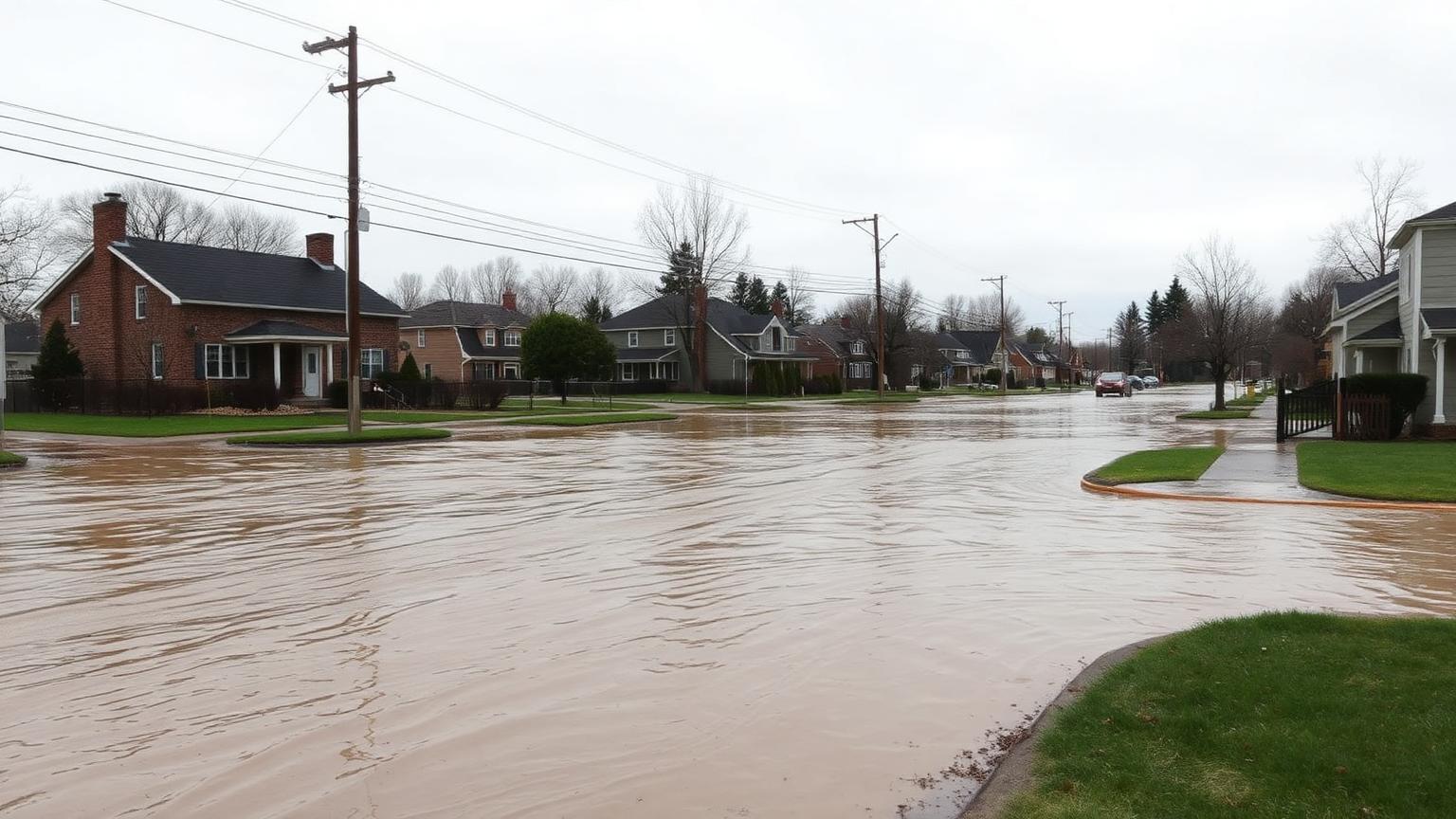
There is one universal fact in property insurance that surprises homeowners every hurricane season: standard homeowners policies do not cover flood damage. Not partially. Not sometimes. Not with exceptions. Water that comes up from the ground — from a river, a storm surge, a saturated aquifer, or overwhelmed drainage — is excluded from every standard HO-3 policy in the United States. Flood insurance is a separate purchase, and understanding how it works is one of the most important homeowner decisions in an era of intensifying storms.
The Two Paths to Flood Coverage
1. The National Flood Insurance Program (NFIP)
Administered by FEMA, the NFIP has been the default flood insurer in the United States since 1968. Policies are sold by private insurers who administer them under NFIP rules. Standard limits: $250,000 for the dwelling and $100,000 for contents on residential properties.
2. Private Flood Insurance
A growing market of private carriers now offers flood insurance, often with higher limits, replacement-cost contents coverage, and coverage for additional living expenses — features the NFIP doesn't provide. For high-value homes, private is often significantly better; for average homes in high-risk zones, NFIP is usually cheaper.
What Flood Insurance Actually Covers
- Structural damage to the building
- Electrical, plumbing, HVAC systems
- Appliances (refrigerator, stove, dishwasher)
- Permanent carpeting
- Contents (with a separate contents policy)
NFIP contents coverage pays actual cash value, not replacement cost — a meaningful gap. Private flood policies often offer replacement cost as an option.
What It Doesn't Cover
- Damage from water backup through drains or sewers (needs a separate endorsement on your homeowners policy)
- Property outside the insured building
- Landscaping
- Vehicles (comprehensive auto coverage handles flooded cars)
- Additional living expenses (NFIP only — some private carriers include it)
Understanding Your Flood Risk
FEMA classifies properties into flood zones based on modeled risk. High-risk zones (labeled A or V) require flood insurance for federally-backed mortgages. Moderate-to-low-risk zones (labeled B, C, or X) don't require it — but roughly one-quarter of NFIP claims come from these zones. Flood maps update slowly and can lag both climate change and new development.
FloodSmart.gov offers a free property lookup that shows your official zone designation. Third-party tools like First Street Foundation's Flood Factor provide forward-looking modeling that often reveals higher risk than the FEMA map alone.
The 30-Day Waiting Period
Most new NFIP policies have a 30-day waiting period before coverage takes effect. That means you cannot buy flood insurance the day a hurricane is announced. The waiting period is waived in a few narrow situations, including the initial purchase of a home tied to closing. Buy well before hurricane season if you're going to buy at all.
How Much Damage One Inch of Water Causes
The insurance industry rule of thumb: one inch of water in an average-sized home causes roughly $25,000 in damage. Two feet can total the first floor. Because flood damage is compounding — drywall, insulation, subflooring, HVAC, electrical — small floods generate large claims.
How to Decide If You Need It
- Look up your official FEMA zone.
- Check a forward-looking flood risk model.
- Consider elevation, proximity to water, and history of local flooding.
- Get an NFIP quote and a private quote — the winner varies by property.
- Factor in your ability to absorb a total loss without insurance.
Real-World Example
A homeowner in North Carolina, outside a high-risk zone, declined flood coverage his lender didn't require. A slow-moving tropical storm dumped 14 inches of rain in 36 hours. His crawl space, HVAC, subfloor, and lower-level finishes were destroyed — $68,000 in damage, none of it covered by his standard homeowners policy. NFIP coverage would have cost roughly $520 per year.
Expert Insight
"Every flood claim I've ever handled came from a homeowner who was surprised the standard policy didn't cover it. If your home has a basement, sits near any water body, or is anywhere rain can pool, look at flood coverage seriously." — Marcus Chen, licensed P&C broker
Quick Summary
- Every standard homeowners policy excludes flood.
- NFIP and private flood insurance are your two options.
- New coverage typically has a 30-day waiting period.
- Most floods happen outside high-risk zones.
- Even one inch of water routinely causes $25,000+ in damage.
Key Takeaways
- 1Homeowners policies exclude flood damage — always.
- 2NFIP is the federal program; private flood insurance is a growing alternative.
- 3Most floods happen outside high-risk zones.
- 4New coverage typically has a 30-day waiting period.
- 5Even one inch of water can cause tens of thousands in damage.
Frequently Asked Questions
How much does flood insurance cost?
NFIP rates vary widely under Risk Rating 2.0. Preferred-risk policies can start under $500/year; high-risk properties can exceed $5,000/year.
Is flood insurance required?
Federally-backed mortgages require it in Special Flood Hazard Areas. Outside those zones, coverage is optional but often prudent.
What does NFIP cover?
Up to $250k for the building and $100k for contents on residential policies. Higher limits are available through private flood insurers.
Found this guide helpful?
Share it with a friend who's shopping for insurance, or explore more guides in this category.
Related articles

The Complete Homeowners Insurance Guide: Coverage, Cost, and Common Mistakes
Your home is your biggest asset. Your policy is what stands between you and having to replace it out of pocket. Here's how the coverage really works.

Renters Insurance Explained: The Cheapest Coverage No Renter Should Skip
A landlord's insurance doesn't cover a single thing you own. Renters insurance costs less than a streaming subscription and covers a lot more than most tenants realize.